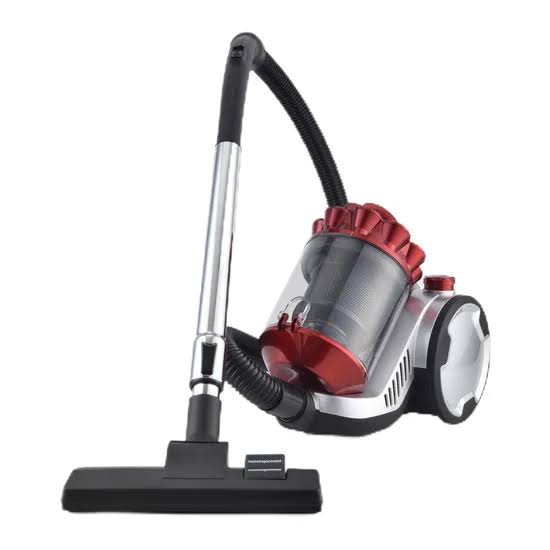
Vacuum cleaners are essential household appliances that help maintain cleanliness and hygiene in our living spaces. However, like any machine, they can encounter issues over time, leading to decreased efficiency or complete malfunction. Understanding the common problems associated with vacuum cleaners and knowing how to tackle repairs can save you both time and money, ensuring that your trusty cleaning companion remains in optimal working condition for years to come.
This article aims to provide a comprehensive guide to vacuum cleaner repairs, covering everything from simple troubleshooting tips to more complex fixes that may require specialized tools. Whether you’re dealing with a clogged hose, a burnt-out motor, or a malfunctioning brush roll, our step-by-step instructions and expert advice will empower you to take charge of your vacuum cleaner’s maintenance and repair, allowing you to keep your home spotless without the need for costly professional services.
Common Issues and Troubleshooting
One of the most typical issues vacuum cleaners face is a clogged hose or filter, which can significantly reduce suction power. To troubleshoot this, start by inspecting the hose for any blockages, which can often be dislodged with a long object such as a broom handle. If your vacuum has a washable filter, be sure to clean or replace it regularly, as a dirty filter can also lead to decreased performance. Additionally, check the brush roll for hair or debris build-up, as this can hinder the vacuum’s ability to pick up dirt effectively.
When to Seek Professional Help
Not all vacuum cleaner issues can be fixed at home. If you encounter electrical problems, such as a burnt-out motor or issues with the power switch, it’s advisable to consult a professional. Expert technicians can provide specialized services for more complex repairs and ensure that your vacuum runs safely and efficiently. For personalized assistance, consider looking into vacuum cleaner repairs for your model to access skilled professionals who understand the specifics of your vacuum brand and model, helping restore it to peak performance.
In conclusion, while vacuum cleaner repairs may seem daunting at first, understanding the common issues and knowing how to troubleshoot problems can empower homeowners to extend the life of their appliances significantly. Regular maintenance is key; being proactive about cleaning filters, hoses, and brush rolls can prevent many problems before they arise. However, when faced with complex electrical issues or when repairs exceed your level of expertise, seeking professional help is the best course of action. By combining DIY troubleshooting with the knowledge of when to call in the experts, you can ensure that your vacuum cleaner remains a reliable ally in your quest for a clean home, ultimately saving you time and money in the long run.