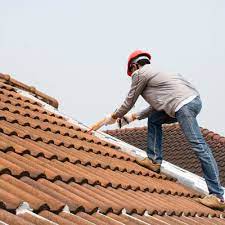
Roof inspections play a crucial role in maintaining the integrity and longevity of any building. Whether it’s a residential home or a commercial property, regular evaluations of the roof can uncover potential issues before they develop into costly repairs. By identifying signs of wear and tear, leaks, or structural damage early on, property owners can save time, money, and stress while ensuring the safety of their inhabitants.
In this article, we will explore the importance of roof inspections, the key components involved in the process, and tips for homeowners and property managers on how to conduct an effective inspection. From understanding the best times to inspect your roof to recognizing when to call in a professional, this comprehensive guide will empower you to take proactive steps toward protecting one of your home’s most essential features.
Key Components of a Roof Inspection
A thorough roof inspection should assess various components to ensure the roof is in good condition. Start by examining the shingles or roofing material for cracks, loose tiles, or signs of discoloration. Pay attention to the flashing around chimneys, vents, and skylights, as these areas are prone to leaks. Additionally, inspect gutters and downspouts for debris that could impede water flow, leading to potential water damage. Regular roof inspections will help identify these issues early on, allowing homeowners to seek services like roof inspection Melbourne to address them before they escalate into significant problems.
When to Hire a Professional
While homeowners can conduct basic inspections, there are specific situations where hiring a professional is critical. If the roof is over 20 years old, has noticeable damage, or if there have been recent severe weather events, a trained expert should evaluate it. Professionals can provide a comprehensive analysis of the roof’s condition, utilizing specialized equipment and safety measures that the average property owner may not possess. Engaging professionals not only guarantees a thorough inspection but also offers peace of mind knowing that the well-being of your property is in skilled hands.
In conclusion, regular roof inspections are an essential part of property maintenance that can significantly extend the life of your roof and safeguard your entire investment. By being proactive and following the best practices outlined in this guide, property owners can effectively monitor their roofs for signs of deterioration and address concerns promptly. Whether you choose to conduct simple evaluations yourself or enlist the help of qualified professionals during critical assessments, prioritizing roof care will prevent minor issues from evolving into major repairs down the line. Ultimately, a well-maintained roof not only protects the structure but also enhances the overall value and comfort of your home.